
Some school-age children have emotional-behavioral episodes that may remind us of the temper tantrums from early childhood, yet they are less common and more concerning. Below are the differences and recommendations.

The term “temper tantrum” is used for “brief episodes of vocal and sometimes physical outbursts in children in response to frustration, anger, or distress,” which is considered common before age 5. They tend to happen daily for toddlers, less often for age 3, and seldom for age 4. They can include screaming/crying, throwing oneself on the ground, hitting, kicking, or biting (American Academy of Child and Adolescent Psychiatry, 2025). They reflect the child’s will to assert their preferences, with very low self-regulation to accept not-preferred situations.
School-age children in general have developed the necessary self-regulation to cope with frustration and stress. However, a few kids experience occasional emotional-behavioral outbursts. I have observed in my psychotherapy practice that at this age the emotional episodes involve more sophisticated feelings (anger, jealousy, embarrassment, anxiety) and the behaviors seems to be more conscious (storming off, hiding, verbal insults or threats, hurting self and others). I prefer to call these uncommon episodes “emotional meltdowns” in order to differentiate them from the temper tantrums that are common in early childhood.For temper tantrums recommendations, please see my video and handout
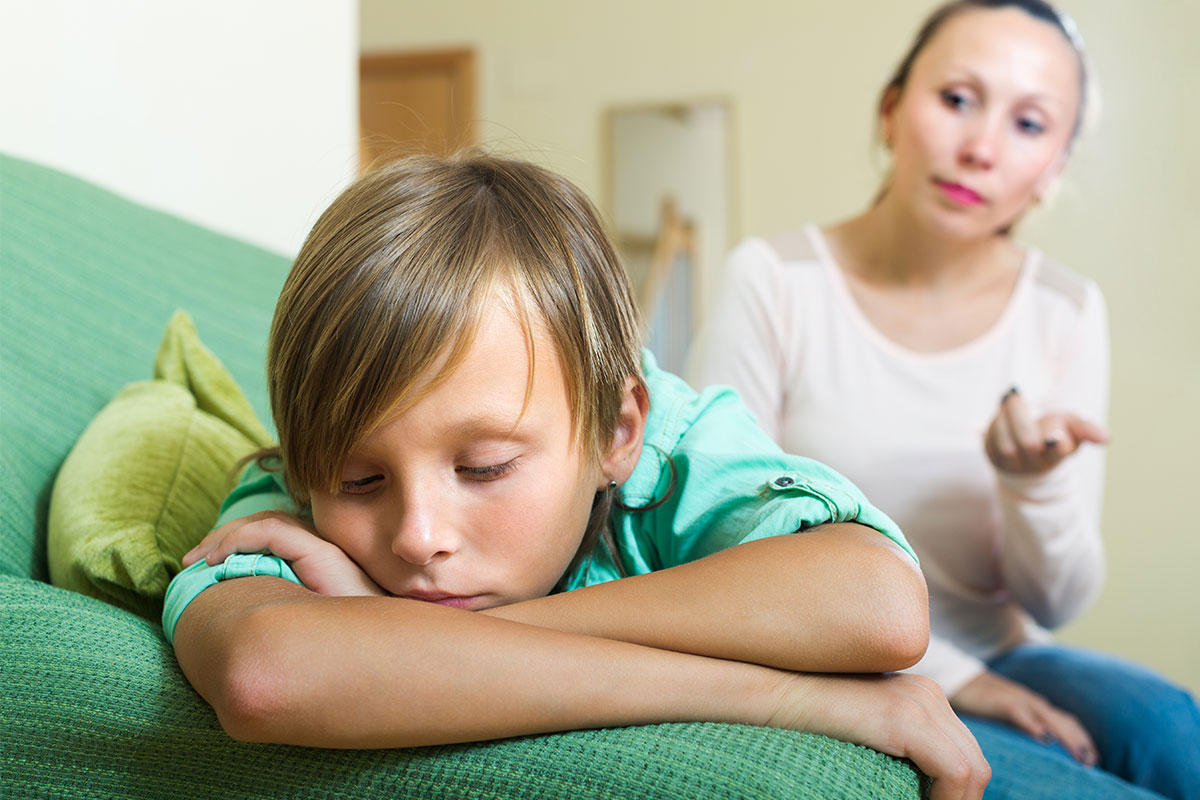
When emotional meltdowns occur frequently, they may affect academic functioning, relationships with family and peers, and developing a healthy self-esteem; as the social-emotional expectations rise with age. In addition, the child might not “outgrow” the emotional meltdowns as these could be related to emotional conditions that affect the ability to cope with frustration and stress, such as anxiety disorders, attention deficit hyperactivity disorder (ADHD), autism spectrum disorder (ASD), sensory sensitivities and trauma (Child Mind Institute, 2025).
Emotional meltdowns do improve when children learn to manage their emotional needs in positive manners, and parents support them with empathy for the emotions, setting limits for the negative behaviors and teaching them coping skills. I have summarized my recommendations for parents to respond to emotional meltdowns in this free handout, and I offer parent coaching for challenging behaviors and anxiety.
When emotional meltdowns remain severe or recurrent for school-age children in spite of consistent support by the parents, child and family psychotherapy is the ideal support to obtain. Help is here!
Sources
Temper Tantrums. American Academy of Child and Adolescent Psychiatry (2025).
Is my Child’s Anger Normal? Child Mind Institute (2025)